
There’s a tin of bandages sitting on shelves at Target right now that has more to teach marketers about the future of brand licensing than most MBA courses. It costs $7.29. It features Van Gogh, Monet, and Redon. And it sold out.
I’m talking about the expanding Band-Aid Brand × The Metropolitan Museum of Art collection — which just dropped its second annual limited-edition run, this time featuring floral paintings by three of the most recognized names in art history. License Global covered the expansion last week, and I couldn’t stop thinking about it. Not just because it’s clever. But because it’s a blueprint.
Let me break down exactly why this works — and what any brand builder should take from it.
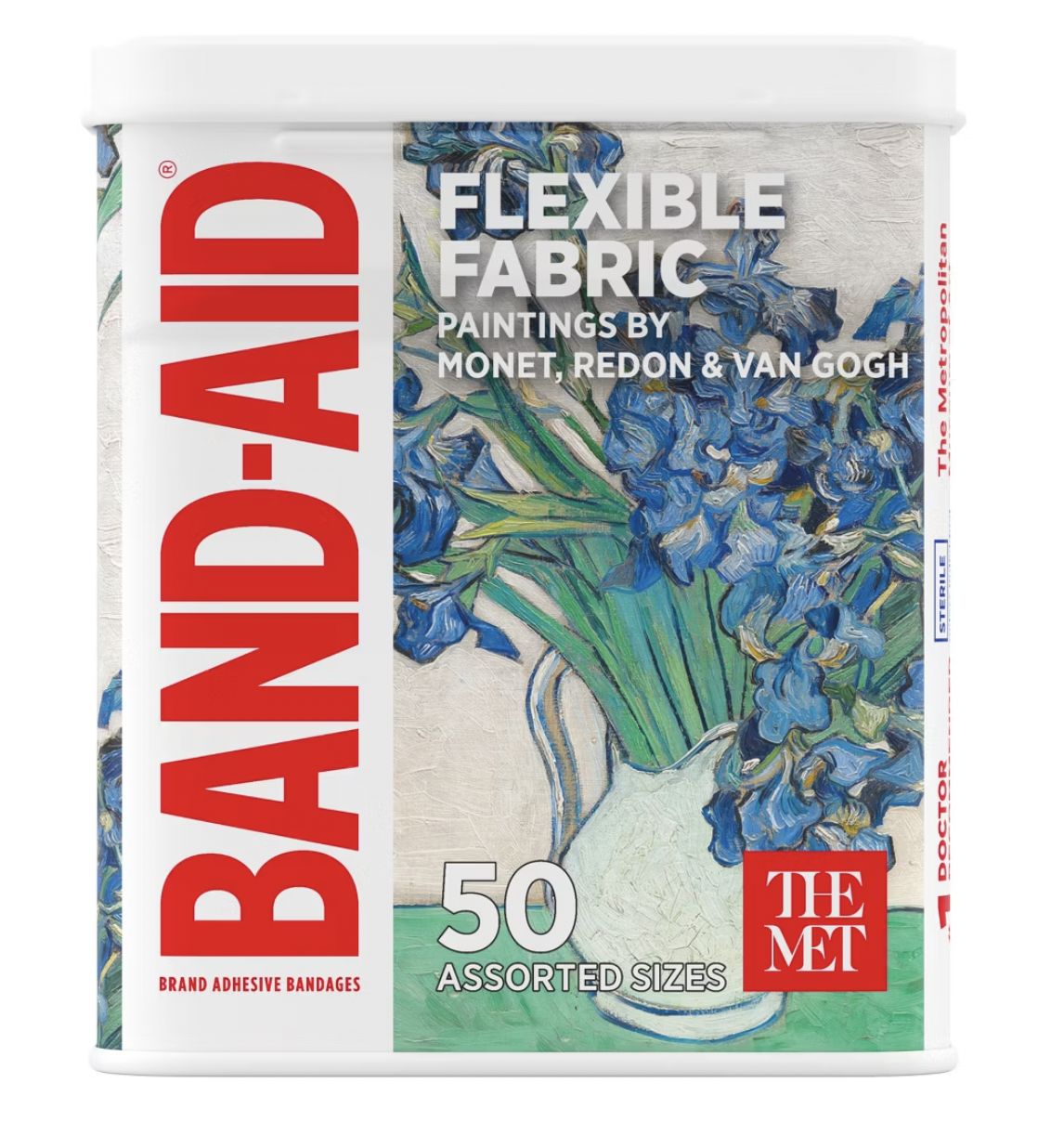
Band-Aid Met
The $7 Luxury Play.
The Met is one of the most prestigious cultural institutions in the world. A membership costs $30. A print from their gift shop can run $50–$200. A bandage tin costs $7.29.
That price point is the entire trick.
Band-Aid just made “owning a piece of The Met” accessible to anyone in the checkout line at Target. They collapsed the psychological distance between high culture and everyday life — and in doing so, they made both brands feel more human. The Met gets democratized. Band-Aid gets elevated. Nobody loses.
This is the “accessible luxury” move, and it’s one of the most powerful levers in consumer brand strategy. You’re not selling a bandage. You’re selling the feeling of having taste.
Scarcity Is the Product.
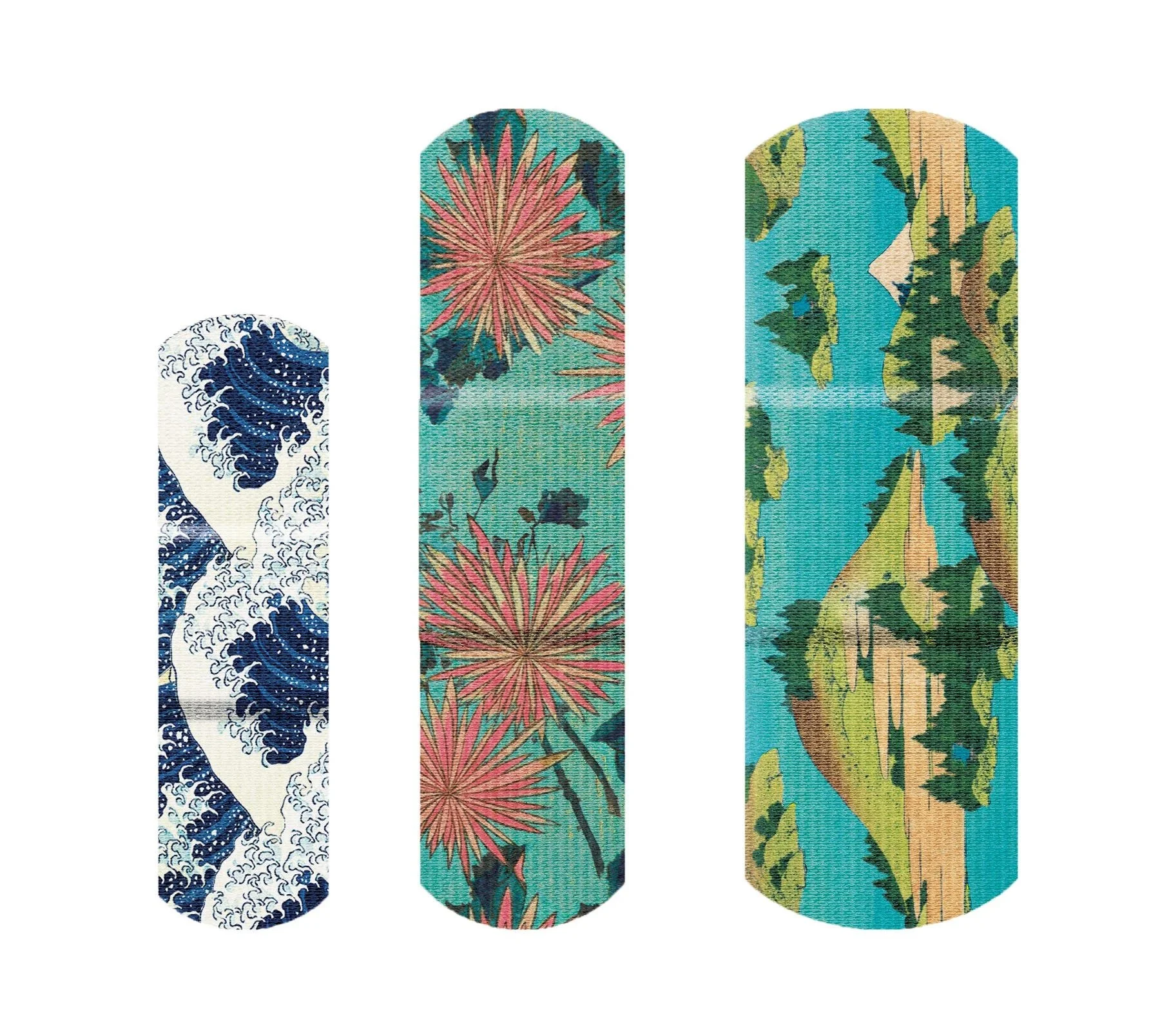
The first collection, featuring Hokusai’s The Great Wave, sold out. Not “did well” — sold out. That’s not just a demand story, that’s a marketing story. People weren’t buying bandages. They were buying a collectible before it was gone.
The tin is the product. The bandages inside are almost beside the point.
This is the limited-edition drop model borrowed from streetwear, applied to first aid. And it works because humans are fundamentally wired to want things that might disappear. Scarcity creates urgency. Urgency drives conversion. And when something sells out, it retroactively validates the purchase for everyone who got one — while creating demand for the next release.
The 2026 expansion (Monet, Redon, Van Gogh) is already building on that scarcity mythology. The 2025 Hokusai tin, previously a Target exclusive, is now rolling out to Amazon and CVS — rewarding the early adopters while extending the revenue tail. That’s smart sequencing.
They Grew Up Their Audience — On Purpose.
Band-Aid built its collab history on character IP: Disney, Marvel, Paramount. Licensed designs that make a kid excited to get a bandage put on. That’s great business — and a completely different consumer than the one buying a Van Gogh tin.
This collection was deliberately designed for adult art enthusiasts and style-conscious consumers. That’s a new audience segment for Band-Aid, not just a new design. They didn’t abandon their core — they expanded their ceiling.
The influencer layer reinforces this. Partnering with Olivia Palermo — a fashion and art world figure, New York native, aspirational lifestyle persona — signals clearly: this is not your kid’s Band-Aid. Palermo doesn’t move products in the children’s aisle. She moves them to the consumer who wants to feel like they have an eye for beautiful things.
That’s audience strategy, not just PR.
The Utility Paradox Makes It Unforgettable.
Here’s the thing about putting Van Gogh on a bandage: the contrast is the point.
First aid products are, by nature, used in moments of minor pain or inconvenience. They’re utilitarian, forgettable, disposable. The fact that the bandage you pull out of a collectible tin features a detail from Irises or Water Lilies creates a tiny, delightful cognitive dissonance. It makes the mundane feel elevated. It turns a forgettable moment into a memorable one.
Josh Romm, The Met’s head of global licensing, said it well: translating these works into bandages “allows a whole new way to appreciate and live with art every day.” That framing — living with art — is the entire brand philosophy of The Met’s licensing program. They’re not just selling images. They’re embedding cultural access into daily routines.
That’s the insight. When the functional use of a product is unremarkable, the emotional experience of the product becomes the differentiator.
The Retailer Exclusivity Play Is Underrated.
This collection launched exclusively at Target. Full stop.
That’s not just a distribution decision — it’s a positioning decision. Target has spent years building a brand identity around affordable design and accessible style (think the Michael Graves years, the designer collabs, the “cheap chic” reputation). A Met × Band-Aid collab fits that identity perfectly.
The exclusivity also gives Target a reason to merchandise it prominently, feature it in marketing, and build in-store moments around it. Both sides benefit from the halo. And when the exclusivity window closes and the product expands to Amazon and CVS, the cultural cachet has already been established.
Exclusivity creates desire. Distribution captures it.
What This Means for Anyone Building a Brand…
I spend a lot of time thinking about how IP can be layered onto functional products to create emotional resonance — it’s core to what I’m building for my own projects. And this collab is a textbook example of the principles that make that strategy work:
- The product is the vessel. The IP is the experience.
-*Price accessibility + cultural elevation = mass desirability.
- Scarcity is a feature you can design, not just a happy accident.
- Audience expansion requires deliberate signals — in product, in partners, in placement.
- Utility creates the moment. Brand creates the memory.
The Band-Aid × Met story isn’t really about bandages or art. It’s about how two mature brands with existing audiences found a new lane together — and built something neither could have built alone.
That’s what a great licensing collab looks like.
Read the original License Global coverage of the 2026 collection expansion - www.licenseglobal.com/art-design/band-aid-brand-x-the-met-expand-exclusive-collection
Temil enjoys being the dad to the bright, intelligent 9 year old behind Vandal Pop - www.vandalpops.com, a youth-oriented craft soda brand built on character-driven IP. He writes about brand strategy, licensing, and all the struggles and rewards of being an entrepreneur. In his spare time he plays chess, cooks and takes his daughter to dance class 4 times a week.